Somatic therapy: a body-based approach
Somatic therapy is a body-based therapy. Alongside talking, it pays attention to what is happening in your body – tension, breathing, restlessness, numbness or the sense of being on edge – and how this connects with what you feel.
As a somatic therapist, I offer a calm, paced space to notice these responses and begin to relate to them with more curiosity and steadiness.

Michael Swales
MBACP, NCPS Acc.In-person therapy in London
Online therapy
across the UKIndividual therapy
from £75Couples therapy
from £95
Who it’s for
When the body seems to react first
Some people come to somatic therapy because they understand their patterns but still feel them physically: a tight chest before a difficult conversation, shutting down under pressure, or feeling braced even when nothing is wrong.
Others notice anxiety mostly in the body – sometimes called somatic anxiety – or feel disconnected from physical sensations altogether.
For a broader introduction to feeling overloaded, read about emotional overwhelm and regulation.
Somatic therapy can sit alongside talking, offering another way in when words alone do not seem to reach what you are feeling.
You can read more in a gentle way to heal from trauma with somatic therapy and somatic healing for trauma: exercises and practices. For an introduction to a specific body-oriented approach, read about Somatic Experiencing.

Common reasons
Experiences people bring to somatic therapy
-
Physical signs of anxiety, such as a tight chest or shallow breathing
-
Feeling constantly alert or unable to switch off
-
Numbness or feeling far away from yourself
-
Old reactions that return under stress
-
Not knowing what you feel until it is overwhelming
-
Tension held in the jaw, shoulders or stomach
-
Feeling unsafe in your body after difficult experiences
-
Wanting a way of working that is not only talking
-
Exhaustion after long periods of stress
-
Freezing when you need to act or speak
-
Curiosity about a more body-aware approach
What to expect
What happens in a somatic therapy session
Each session moves at a pace that feels manageable, and you stay in control of what we explore.
We might talk about what has been happening, then slow down to notice what you feel physically as you speak – where there is tension, what happens to your breathing, or an urge to move, freeze or look away.
Somatic healing is not about forcing a release or reliving painful memories. The focus is on building a sense of safety and choice, so that difficult responses can be approached gradually.
You do not need any experience of body-based work to begin.
About the therapist
Working with a somatic therapist
My approach is integrative, relational and trauma-informed. Additional training in somatic trauma therapy shapes how I pay attention to the body alongside thoughts and feelings.
In practice, that means working collaboratively and following what feels right for you, rather than applying a fixed technique.
Experienced and accredited
Michael Swales is registered with professional bodies including BACP and NCPS, with additional training in relationship psychotherapy, somatic trauma therapy and addiction recovery.

Locations and online
Somatic therapy
in person or online
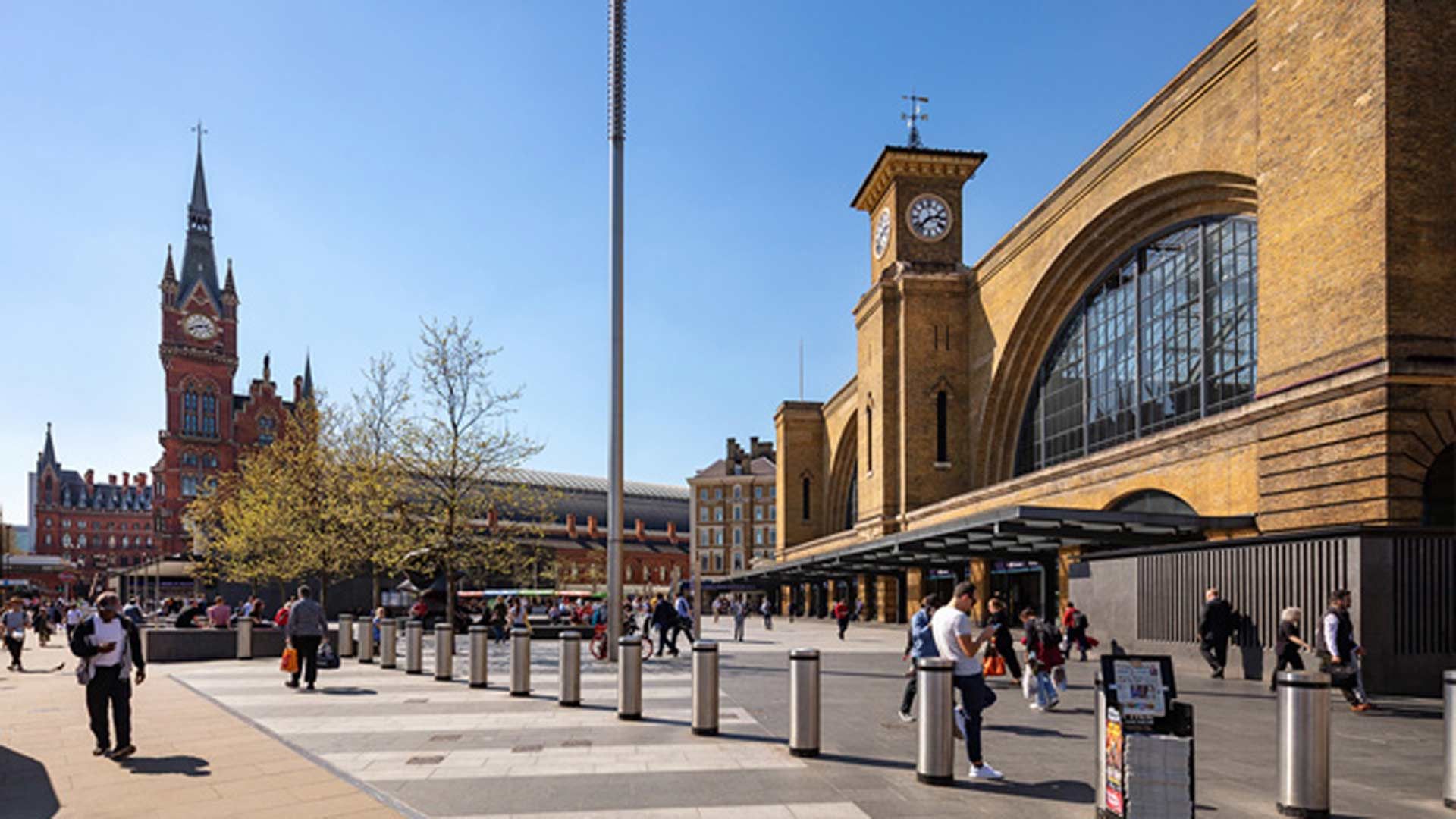
Sessions are available in person at King’s Cross, Angel and Farringdon, or online. For in-person sessions, see somatic therapy in London.



Frequently asked questions
FAQs
“Somatic” means relating to the body. Somatic therapy is a body-based therapy that includes physical sensations, breathing and nervous system responses in the work, as well as thoughts, feelings and memories.
Not exactly. Somatic Experiencing is one specific somatic method with its own training programme, while somatic therapy is a broader term for approaches that include the body. My work draws on somatic and trauma-informed approaches; if you are looking specifically for a Somatic Experiencing therapist, it is worth asking about their training.
Look for a qualified therapist who is registered with a professional body and has training in somatic and trauma-informed work. Titles such as somatic practitioner or somatic psychotherapist are used in different ways, so it is reasonable to ask about training and registration before you start. I am registered with BACP and NCPS, with additional training in somatic trauma therapy.
Somatic anxiety describes the physical side of anxiety – a racing heart, a tight chest, shallow breathing, restlessness or tension. Somatic therapy pays attention to these sensations as well as to thoughts.
Somatic trauma therapy recognises that difficult experiences can leave traces in the body, such as bracing, shutting down or being easily startled. Rather than going straight to the story, the work starts with what you notice now and builds a sense of safety first, at a pace you choose.
It can suit some people. Noticing sensations and breathing can be done by video call, and whether online somatic therapy is right for you can be discussed during the initial consultation.
Individual therapy starts from £75. Fees can vary depending on the type of therapy, format and circumstances, and this can be discussed during your free initial consultation.
Get in touch
Take the next step when you're ready
Reaching out can feel like a big step, I offer a safe, confidential place to talk and explore what support might look like for you. Phone, email, video-call or in-person sessions – get in touch in whatever way suits you.
Response time
I aim to respond to within 1 working day.
I'll be happy to hear from you.
Your details are secure and will never be shared.
This form is confidential.