Post traumatic stress therapy and PTSD support
Post traumatic stress therapy offers a space to understand how difficult experiences continue to affect you now – in your body, your emotions and your relationships.
Whether you are living with PTSD, are exploring the effects of childhood trauma, or simply feel that something has stayed with you, I offer paced, trauma-informed support for trauma recovery, in person or online.

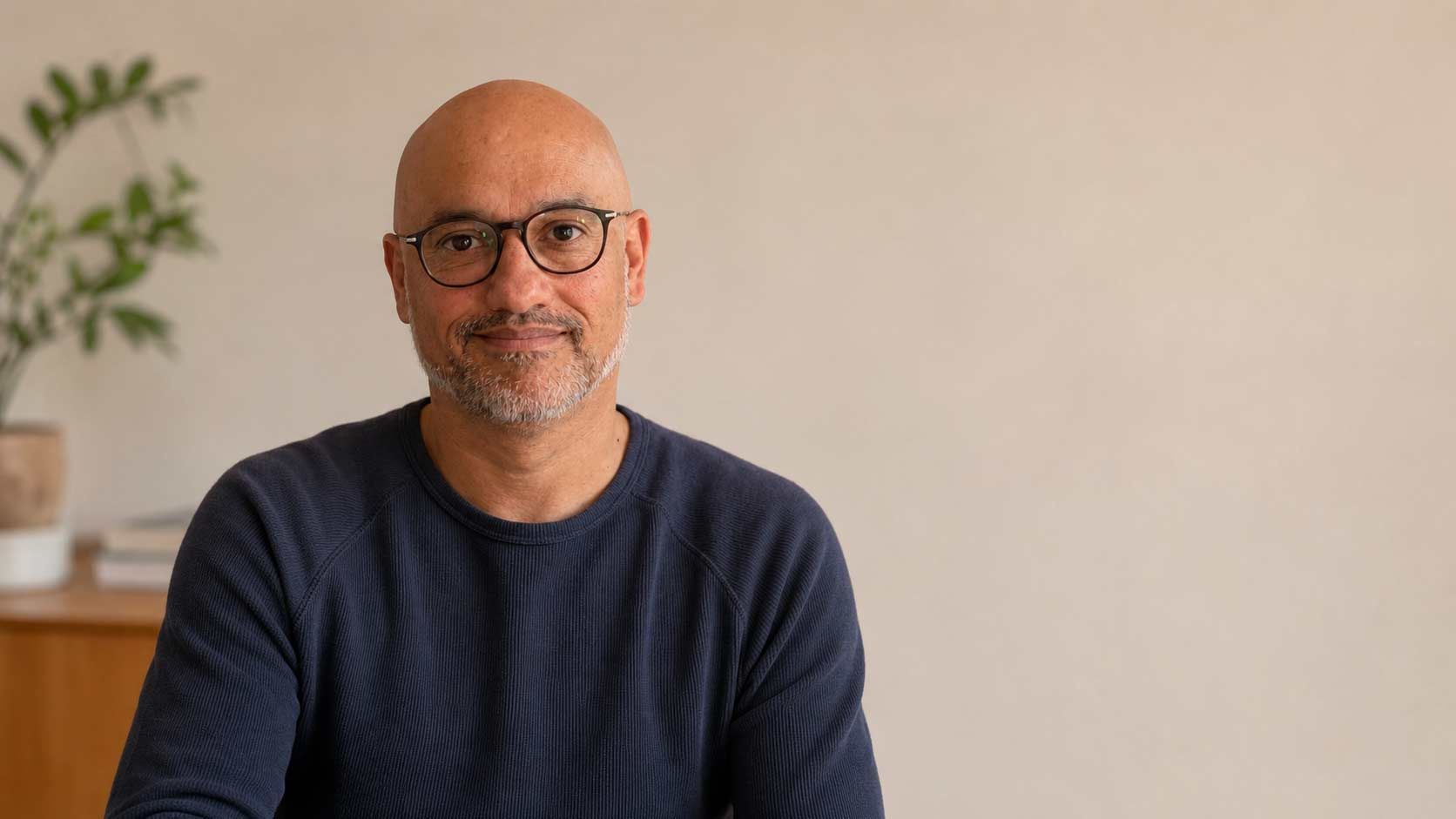
Michael Swales
MBACP, NCPS Acc.In-person therapy in London
Online therapy
across the UKIndividual therapy
from £75Couples therapy
from £95
Who it’s for
PTSD support, complex trauma and childhood experiences
Some people come to therapy after a single overwhelming event. Others have lived with repeated or long-term difficulties, often beginning in childhood, that shape how safe, worthy or connected they feel as adults.
The term complex PTSD is sometimes used when trauma was prolonged or repeated, and its effects can include difficulties with emotions, self-worth and relationships. You do not need a diagnosis to begin therapy.
Therapy can work with what is affecting you now, without needing to go through everything at once.
Some people find it helpful to include the body in this work – read more about somatic therapy.

Common reasons
When people look for trauma help
-
Flashbacks or intrusive memories
-
Nightmares or disturbed sleep
-
Feeling constantly on guard
-
Avoiding places, people or reminders
-
Childhood experiences that still affect you
-
Harsh self-criticism or a sense of being damaged
-
Strong emotions that are hard to settle
-
Feeling cut off from other people
-
Painful patterns that repeat in relationships
-
Struggling after a frightening or distressing event
-
Wanting support with trauma recovery at your own pace
What to expect
How post traumatic stress therapy works
The first priority is safety: feeling settled enough, in the room and in yourself, to begin.
We start with what is happening now – sleep, triggers, relationships and how you cope – before deciding together whether, and when, to look more closely at the past.
You stay in control of the pace. If something becomes too much, we slow down. Noticing what happens in your body can be part of the work, alongside talking.
PTSD recovery rarely follows a straight line, and there is no expectation to feel a certain way by a particular point.
About the therapist
A trauma-informed therapist
My approach is integrative, relational and trauma-informed, with additional training in somatic trauma therapy.
I work collaboratively, paying close attention to safety and choice, and to the ways people protect themselves after difficult experiences.
Experienced and accredited
Michael Swales is registered with professional bodies including BACP and NCPS, with additional training in relationship psychotherapy, somatic trauma therapy and addiction recovery.
Locations and online
PTSD therapy near you
in person or online
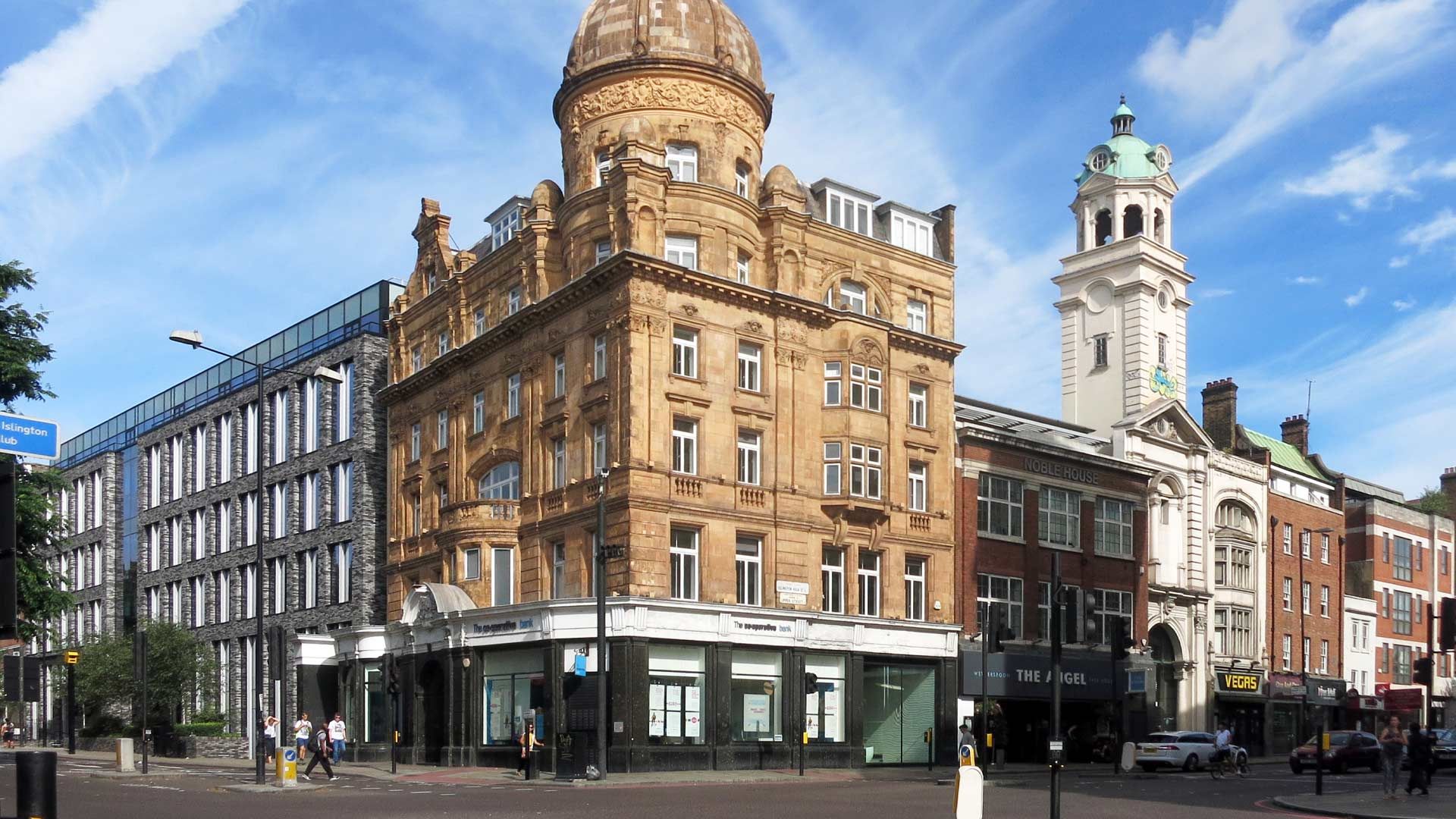
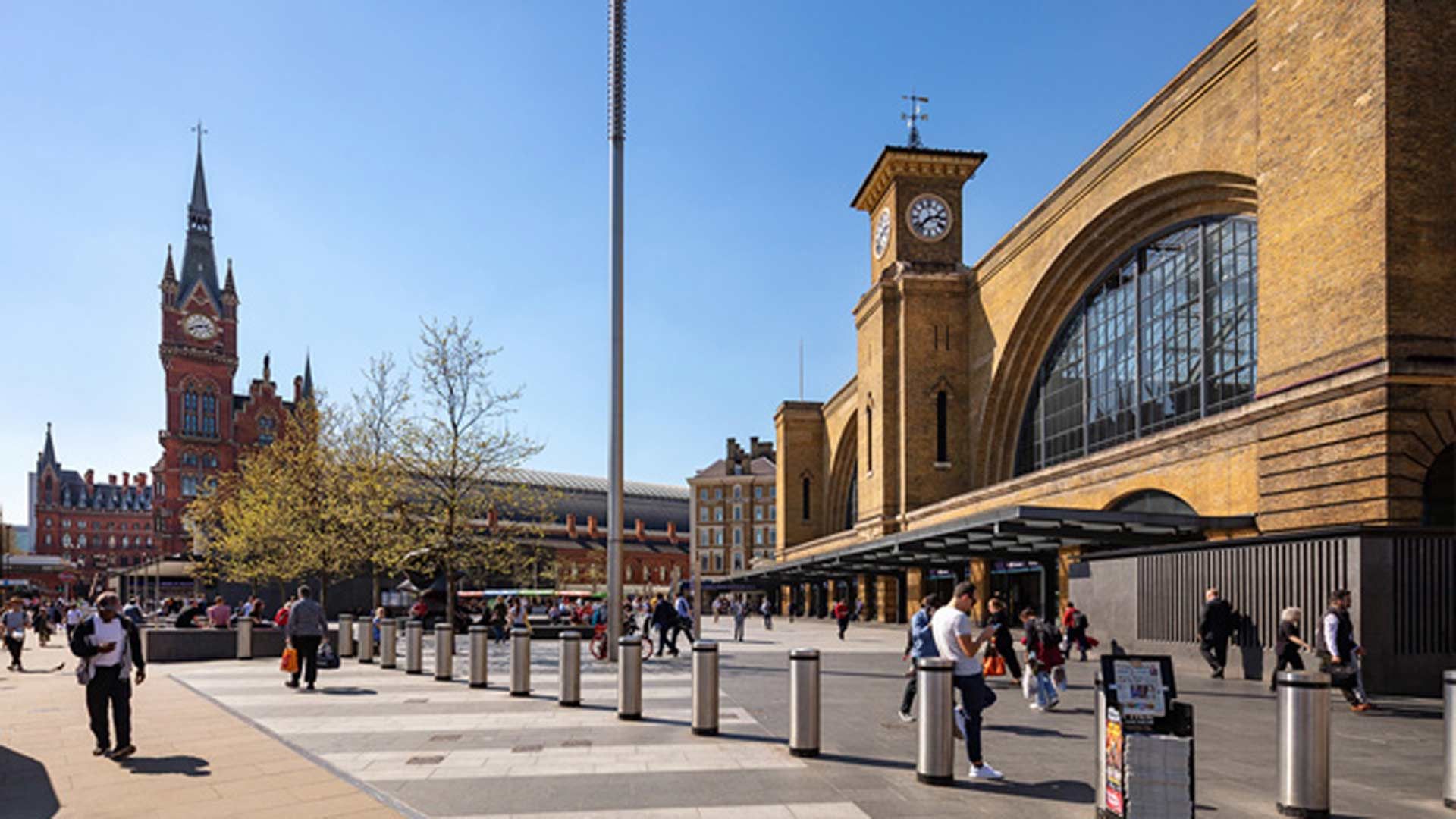
Sessions are available in person at King’s Cross, Angel and Farringdon, or online. For in-person sessions, see trauma therapy in London.


Frequently asked questions
FAQs
It is talking therapy for people affected by traumatic or overwhelming experiences. It looks at how those experiences continue to show up now – in thoughts, feelings, the body and relationships – and works at a pace that feels manageable.
Complex PTSD is a term used when trauma was repeated or prolonged, often in childhood or in close relationships. Therapy for complex PTSD tends to focus on safety, emotions, self-worth and relationships, and often takes time. You do not need a diagnosis to begin therapy.
Difficult experiences in childhood can continue to affect people as adults, sometimes in ways described as PTSD or complex PTSD. You do not need a diagnosis to begin therapy. You are welcome to explore this at your own pace.
Not exactly. “Trauma release” is used to describe approaches that aim to discharge stress from the body. My work is trauma-informed and includes the body, but it does not aim to force a physical or emotional release; the focus is on safety, pace and choice.
Look for a qualified therapist who is registered with a professional body and trained in trauma-informed work, and ask how they pace sessions and keep things safe. If your trauma is complex, it helps to find a complex trauma therapist you can build trust with over time. I am registered with BACP and NCPS, with additional training in somatic trauma therapy.
Yes. If you are already receiving support through your GP or the NHS, private therapy can sit alongside it. If you think you may have PTSD and have not yet spoken to your GP, they can explain the treatment options available to you.
Individual therapy starts from £75. Fees can vary depending on the type of therapy, format and circumstances, and this can be discussed during your free initial consultation.
Get in touch
Take the next step when you're ready
Reaching out can feel like a big step, I offer a safe, confidential place to talk and explore what support might look like for you. Phone, email, video-call or in-person sessions – get in touch in whatever way suits you.
Response time
I aim to respond to within 1 working day.
I'll be happy to hear from you.
Your details are secure and will never be shared.
This form is confidential.